Blending colored pencils comes down to two things: patience (multiple light layers beat one heavy layer) and surface (paper matters more than most people think).
This guide covers the main techniques in a simple system so you can actually remember what to do next time you sit down to color.
The beginner method that works
If you want one reliable approach:
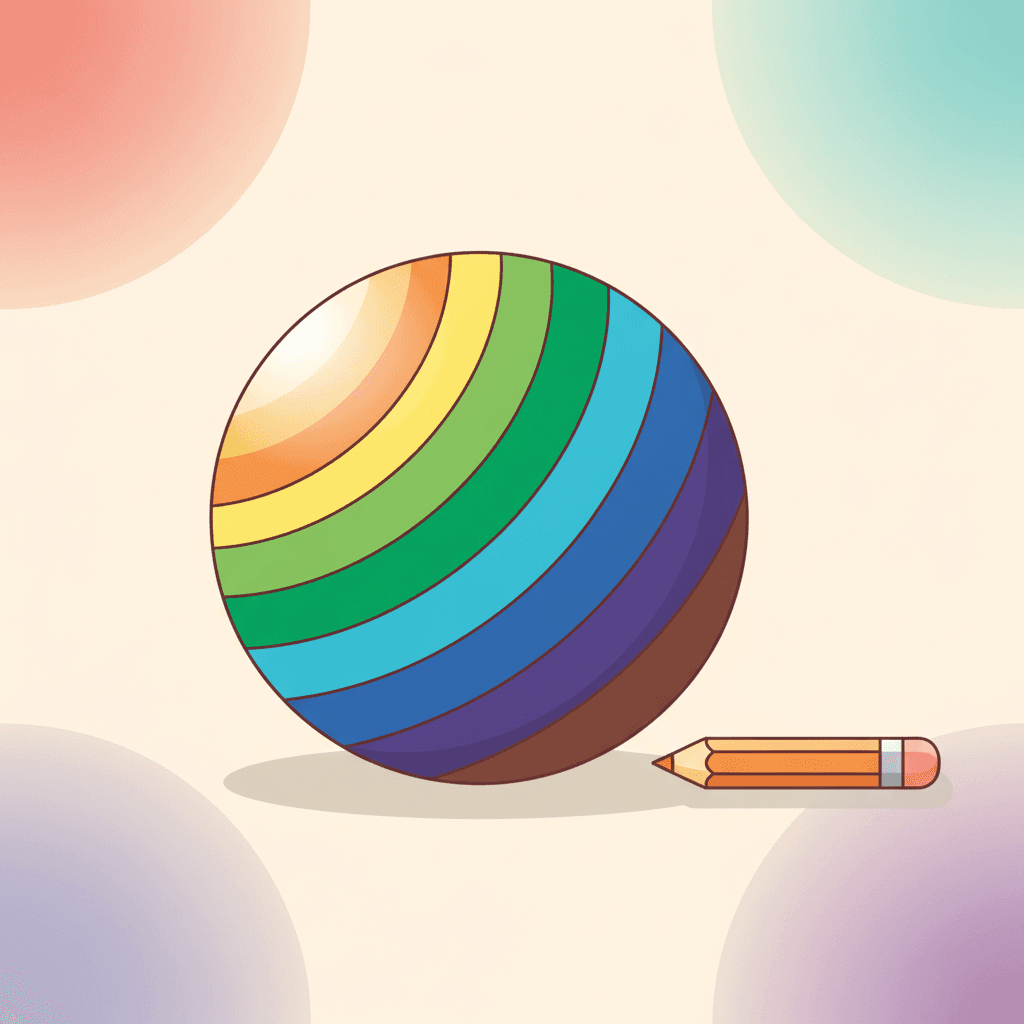
- Choose 2 to 3 colors (light, mid, dark).
- Use light pressure and apply the lightest color in small circles.
- Add the mid color, overlapping the transition zone.
- Add the dark color in the shadow zone.
- Go back with the lightest color to "knit" the transition together.
- Only at the end, decide if you want to burnish (glossy, saturated) or keep a soft, textured look.
What "blending" actually means
Colored pencils aren't paint. You're not mixing wet pigments. Most of the time you're doing one of these:
- Optical mixing: tiny layers of color that your eye reads as one smooth gradient.
- Binder smoothing: pressure fills paper tooth and smooths the surface (this is burnishing).
- Solvent melting: a solvent dissolves the binder so pigment spreads like a wash.
Five blending techniques and when to use each
1. Layering (best all-around)
Good for: smooth gradients, realistic shading, controlled color.
Build 3 to 10 light layers. Vary stroke direction. Overlap transitions gradually. This is the foundation everything else builds on.
2. Burnishing (best for bold, glossy color)
Good for: bright areas, "finished" poster look.
Apply many layers first, then use heavy pressure with a light pencil or colorless blender to crush the paper tooth flat.
The tradeoff: burnishing can flatten texture and make further layering harder. With waxy pencils, it can also cause wax bloom (see troubleshooting below).
3. Blender pencil (colorless blender)
Good for: smoothing transitions without changing the hue much.
It's essentially controlled burnishing. Less aggressive than a full heavy-pressure pass.
4. White pencil blending
Good for: pastel looks, soft highlights, smoothing light areas.
Watch out: it can "chalk" colors and reduce saturation if you overdo it.
5. Solvent blending (fastest for big areas)
Good for: fast fills, painterly looks, very smooth gradients.
Common solvent: odorless mineral spirits.
Safety basics: ventilate the room, use a small amount, avoid skin contact, keep away from kids and pets. If you want to go deep on solvent blending, look for a dedicated solvent tutorial before jumping in.
Paper matters (more than you want it to)
If blending feels impossible, it's often the paper, not your technique.
Look for paper with enough tooth to hold layers but not so rough that it makes streaks unavoidable.
Good starting options: Bristol vellum, colored pencil paper, or premium printer paper for light practice.
For printable pages, see Best paper for printing coloring pages.
A step-by-step blending exercise (10 minutes)
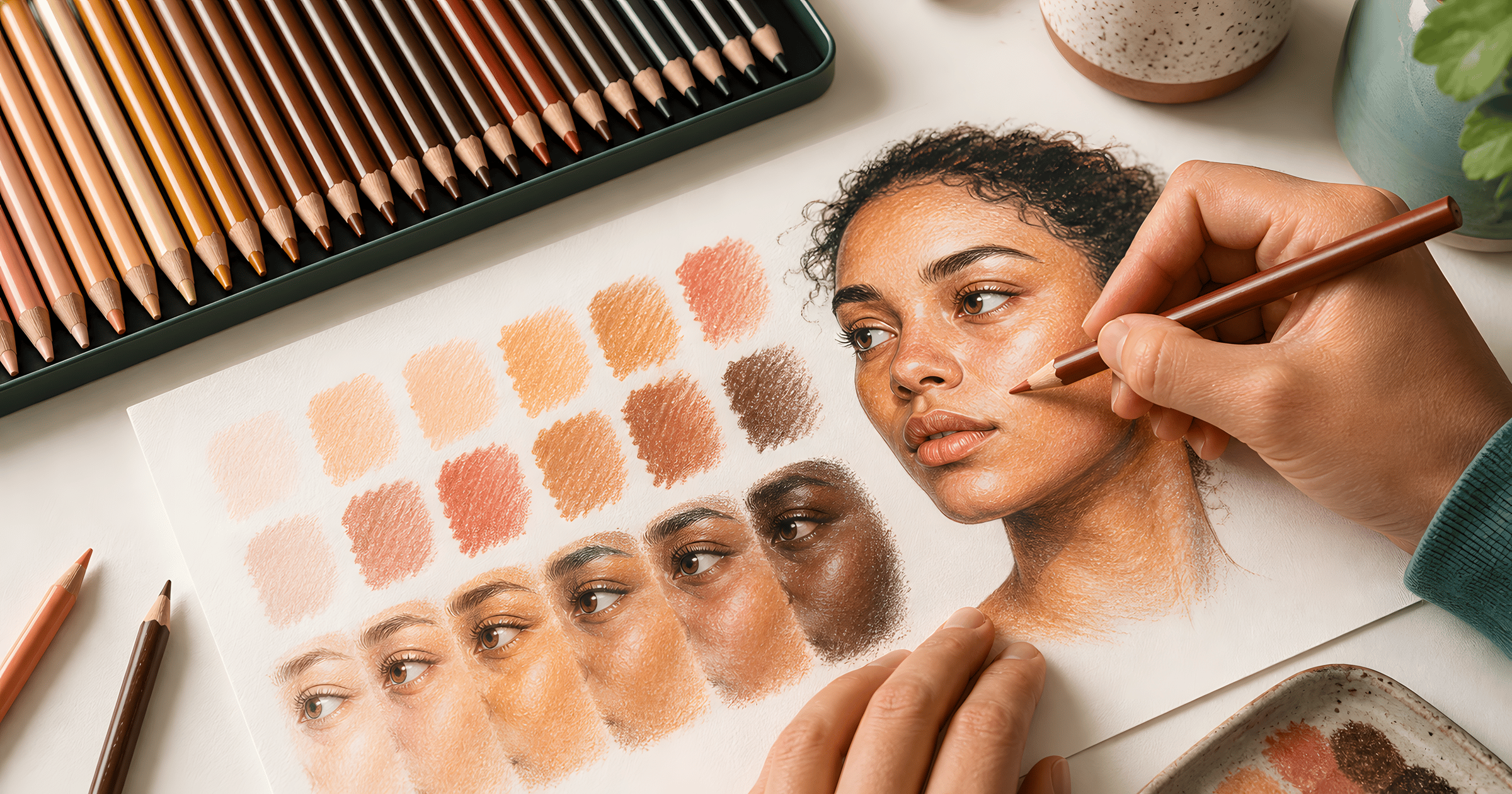
Draw three boxes on scrap paper:
- Gradient box: blend one color from light to dark.
- Two-color blend: blue into green (or any two neighbors on the color wheel).
- "Fill the grain" box: try to completely fill the paper tooth.
Run the same exercise three times: layering only, layering plus burnish, and layering plus white pencil. Write down what you like best. That's your go-to method.
Troubleshooting
"It looks grainy or speckled"
Too few layers, too much pressure too early, or paper tooth showing through. Fix: more layers with lighter pressure, change stroke direction, and burnish at the end if you want.
"My colors look muddy"
Too many complementary colors layered without a plan, or heavy pressure early that left no room to adjust. Fix: start lighter, limit your palette, and use a mid-tone "bridge" color between contrasting hues.
"The paper is pilling or tearing"
Too much pressure or lightweight paper. Try a heavier paper for serious practice and ease up on reworking the same area.
"My highlights won't pop"
Preserve highlights early by leaving paper white. Use a very light pencil at the end, not the beginning.
Watch: blending colored pencils
See also: Quick pencil blending tips on TikTok
Further reading
- Prismacolor blending tips (Prismacolor)
- Blending colored pencil with solvents (Carrie L. Lewis)
FAQ
Do I need a blender pencil?
No. Layering plus good paper can get you very far. A blender pencil helps, but it's not required.
Is burnishing "bad"?
Not bad, just a specific look. Burnishing gives saturated, polished color, but it reduces your ability to add more layers afterward. Save it for the end.
For the basics before you blend, see How to color with colored pencils. Ready to practice? Browse coloring pages.