TL;DR: Light pressure, many layers, sharp pencil for details, dull pencil for fills. Build color slowly instead of pressing hard. That's honestly 80% of it. The rest of this article is for getting from "decent" to "people ask how you did that."
I colored a tiger last week that I genuinely thought I'd ruined. Fifteen minutes in, the fur looked flat and waxy, the orange had white speckles everywhere, and the black stripes were sitting on top like crayon marks. I almost tossed it. Instead I put it aside, made coffee, came back, and spent another forty minutes just layering. Light strokes, changing direction, building up. The final result? Easily the best thing I've colored this year. Same pencils, same paper, same page. The only thing that changed was patience.
That's the thing about colored pencils that nobody tells you upfront. They're slow. And the slowness is the whole point.
The short version: how coloring with pencils actually works
Pick a small section of your page. Not the whole thing. Just one petal, one leaf, one stripe on a fish.
Lay down your lightest color with barely any pressure. Like you're afraid of waking the paper up. Go over it again in a slightly different direction. Add your mid-tone on top of that. Then your darkest shade in only the areas that would be in shadow. Go back with the light color to smooth everything together.
That's the whole method. Light to dark, many passes, gentle hand. Everything else in this article is just details on how to do each part better.
Pressure control is the actual skill
I used to think coloring was about picking the right colors. Turns out it's mostly about how hard you push.
Think of pressure on a scale from 1 to 5. One is barely touching the paper. Five is pressing as hard as you can. Most of your coloring should happen between 1 and 3. You only go to 4 or 5 at the very end, when you're burnishing or adding a final dark accent.
Here's why this matters so much: colored pencils deposit wax or oil onto paper. Once the paper surface is full of wax, it can't accept more pigment. You've "killed" the tooth. If you start at pressure 5, you're done in one layer whether you meant to be or not. There's nowhere left to go. No way to deepen the color, no way to blend, no way to fix a mistake.
I keep a scrap of the same paper I'm coloring on next to my workspace. Before I start a new section, I test my pressure on the scrap. If I can still see paper grain through the color, I'm in the right zone. If the pencil mark looks shiny and smooth already, I'm pressing way too hard.
Carrie L. Lewis, who's written multiple books on colored pencil technique, uses a 10-point pressure scale. That's more granular than most people need, but her underlying point stands: the difference between pressure 2 and pressure 4 is the difference between a drawing you can keep building and one that's already maxed out.
How you hold the pencil changes everything
Nobody talks about this. Every competitor article I read skipped right past it.
There are basically two grips. The writing grip, which is how you hold a pen, close to the tip with your fingers doing the work. And the overhand grip, where you hold the pencil further back and move from your wrist or shoulder.
Writing grip gives you control. Overhand gives you lighter, more even pressure across a bigger area. I use writing grip for small details and tight corners. I switch to overhand for anything larger than a quarter, because it naturally keeps me from pressing too hard. Gravity does the work instead of my fingers.
If you've been coloring for an hour and your hand hurts, you're gripping too tight. Loosen up. The pencil doesn't need to be strangled.
Sharp vs dull, and when to use each
A sharp point gets into tight spots, gives you crisp edges, and lets you fill the paper tooth precisely. A slightly rounded tip covers more area per stroke, leaves fewer visible lines, and is better for broad fills.
Both are tools. Neither is "better." I sharpen before I start a detail area, and I let the pencil wear down naturally when I'm filling in a sky or a background. Some people keep two of the same color going, one sharp and one dull. That's a little excessive for me but I get the logic.
One thing I will say: cheap sharpeners chew up colored pencils. The leads are softer than graphite and they break inside the sharpener constantly. A good hand-crank sharpener or even a craft knife makes a real difference. I broke three Prismacolors in a row with a dollar-store sharpener before I figured that out.
Stroke types that actually matter
You don't need to know fifteen stroke techniques. You need maybe three.
Small circles. Tiny overlapping loops. This is the workhorse stroke for smooth coloring on textured paper. The circular motion fills the paper tooth from every direction, which is why it looks even. Most of my coloring is this.
Light hatching. Parallel lines in one direction, then a second layer at a slight angle. Good for building up color gradually in larger areas. The crossover of directions evens out the texture.
Burnishing strokes. Heavy pressure, back and forth, usually with a light color or a colorless blender pencil. You only do this at the very end when you want a smooth, waxy, almost glossy finish. Once you burnish, you can't really add more color on top, so this is a finishing move.
The stroke to avoid: hard back-and-forth scribbling with heavy pressure. It makes grooves in the paper, leaves visible lines, and fills the tooth before you've built up enough color. I see this all the time in "before" photos and it's almost always the main thing holding someone back.
Paper tooth: why white specks show up and what to do
That spotted, unfinished look where white dots show through your coloring? That's paper tooth. Paper has tiny peaks and valleys in its surface. Your pencil deposits color on the peaks but misses the valleys. The white dots are the valley floors.
Fix: more light layers with direction changes. Each layer at a different angle reaches into valleys that the previous layer missed. After four or five layers, most of those white spots fill in. Burnishing at the end pushes the wax down into whatever's left.
Smoother paper has shallower valleys, so you get even coverage faster. Rougher paper takes more layers. Neither is wrong, they're just different amounts of work. I like a medium-tooth paper because it grabs enough pigment to feel like the color is building, but it doesn't take forever to fill.
Wax-based vs oil-based pencils
This matters more than most beginners realize.
Wax-based (Prismacolor Premier, Derwent Chromaflow, Caran d'Ache Luminance): soft, creamy, vibrant. They blend easily and go down smooth. The trade-off is wax bloom, a hazy film that develops on the surface over days or weeks. More on that in a second. They also fill the tooth faster, which means fewer layers before the paper stops accepting pigment.
Oil-based (Faber-Castell Polychromos, Derwent Lightfast): harder, more controlled, stay sharp longer. Better for fine details and small spaces in coloring pages. No wax bloom. You can layer more before the paper fills up. The trade-off is they're not as buttery smooth and blending takes more effort.
For coloring pages specifically, I reach for oil-based pencils more often. Coloring pages have small, detailed sections and printed outlines, and the harder point on an oil-based pencil handles that better. But for big smooth areas like skies or water, wax-based pencils are noticeably nicer to work with. I use both in the same piece sometimes.
What pencils to buy
You do not need expensive pencils to start. But you'll notice the difference once you try them, and it's hard to go back. Here's what I've used and what I think of each.
Crayola or other school-grade pencils are fine for learning the motions. They're hard, not very pigmented, and don't blend well, but they're also $5. If you're not sure you'll stick with coloring, start here.
Artisto 72-set (wax, about $30). The cheapest pencils I've used that I'd actually recommend. Colors are decent, they layer okay. The leads break sometimes. Good entry point if you want variety without spending much.
Prismacolor Premier (wax, 72-set around $65, 150-set around $145). This is where most people land and stay. Incredibly smooth, vivid colors, available individually at art stores for about $1.40 each so you can replace the ones you burn through. The leads are fragile and notorious for arriving pre-broken inside the barrel. Annoying but not a dealbreaker. I've colored probably 200 pages with these.
Faber-Castell Polychromos (oil, 120-set around $164). My daily drivers now. Harder lead, stays sharper, perfect for the fiddly little sections in detailed coloring pages. No wax bloom. They feel more "precise" than Prismacolors. Less buttery though. I buy open-stock replacements at about $2.70 each.
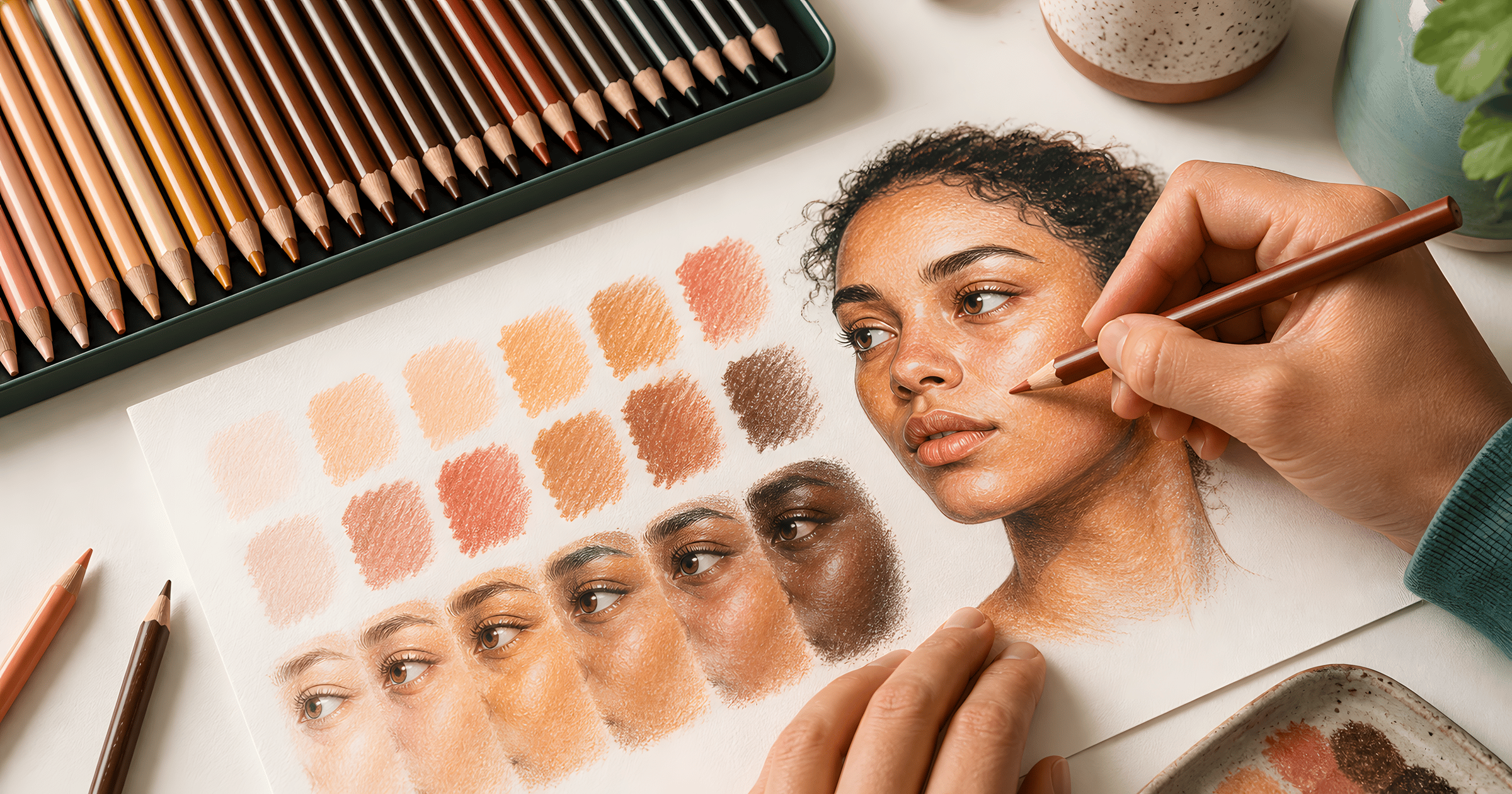
Caran d'Ache Luminance (wax-oil hybrid, 100-set around $275). The smoothest pencil I've ever used. It glides onto paper like nothing. Museum-grade lightfastness. Also museum-grade pricing. I own 12 of these in earth tones that I use for skin and hair. I can't justify the full set.
For most people reading this? The Prismacolor Premier 72-set is the sweet spot. Good enough to learn real technique, cheap enough that you're not scared to use them.
Layering: the technique that matters most
I'm going to quote the colored pencil artist at Draw Awesome here because he nails it: "Layering, not blending, is the number one technique you need to focus on."
He's right. Layering is what separates coloring that looks flat from coloring that looks rich and dimensional. Here's how I do it.
First layer: lightest color, pressure 1 to 2. I can barely see it on the paper. That's fine.
Second layer: same color or a slightly different shade, slightly different angle. Still light pressure. The color starts to build.
Third and fourth layers: mid-tone color, maybe a touch more pressure (2 to 3). I'm filling in those paper tooth valleys now. The white specks are disappearing.
Final layers: darkest shade in the shadow areas only. Pressure 3 to 4. Then I go back over the transitions with the mid-tone to smooth the gradient.
Five to seven layers for a single section is normal. That tiger I mentioned? Some areas had ten layers. It takes time. But the result has a depth and smoothness that you cannot get with one or two heavy passes.
Blending without making mud
The goal of blending is a smooth transition between colors. The danger is turning everything into a gray-brown mess.
The safest blending method: lay color A lightly, then color B lightly on top, overlapping in the transition zone. Go back with A. The colors mix optically without either one getting obliterated. Stay light. The moment you press hard, you commit to whatever mix is on the paper.
A colorless blender pencil (Prismacolor makes one, so does Lyra with the Splender) can smooth things out. It pushes existing pigment around without adding new color. Useful but easy to overdo. I use it mostly on small areas where two colors meet and there's a visible line I want to soften.
Solvent blending is another option. A cotton swab with a tiny bit of rubbing alcohol or Gamsol dissolves the wax binder and lets the pigment flow together. The result looks almost like paint. It's striking but it flattens your layers, so I save it for backgrounds or areas where I want an intentionally smooth, texture-free look.
For a deeper dive into blending methods, see How to blend colored pencils.
Shading: think values, not colors
Here's the other thing Draw Awesome gets right: "Colour choice is not nearly as important as you think. Value (the lights and darks) is more important than you probably give credit for."
I used to spend ten minutes picking the perfect shade of blue for a butterfly wing and then color the whole wing the same value. Flat. Boring. Now I spend thirty seconds picking a color family and five minutes figuring out where the light and shadow go.
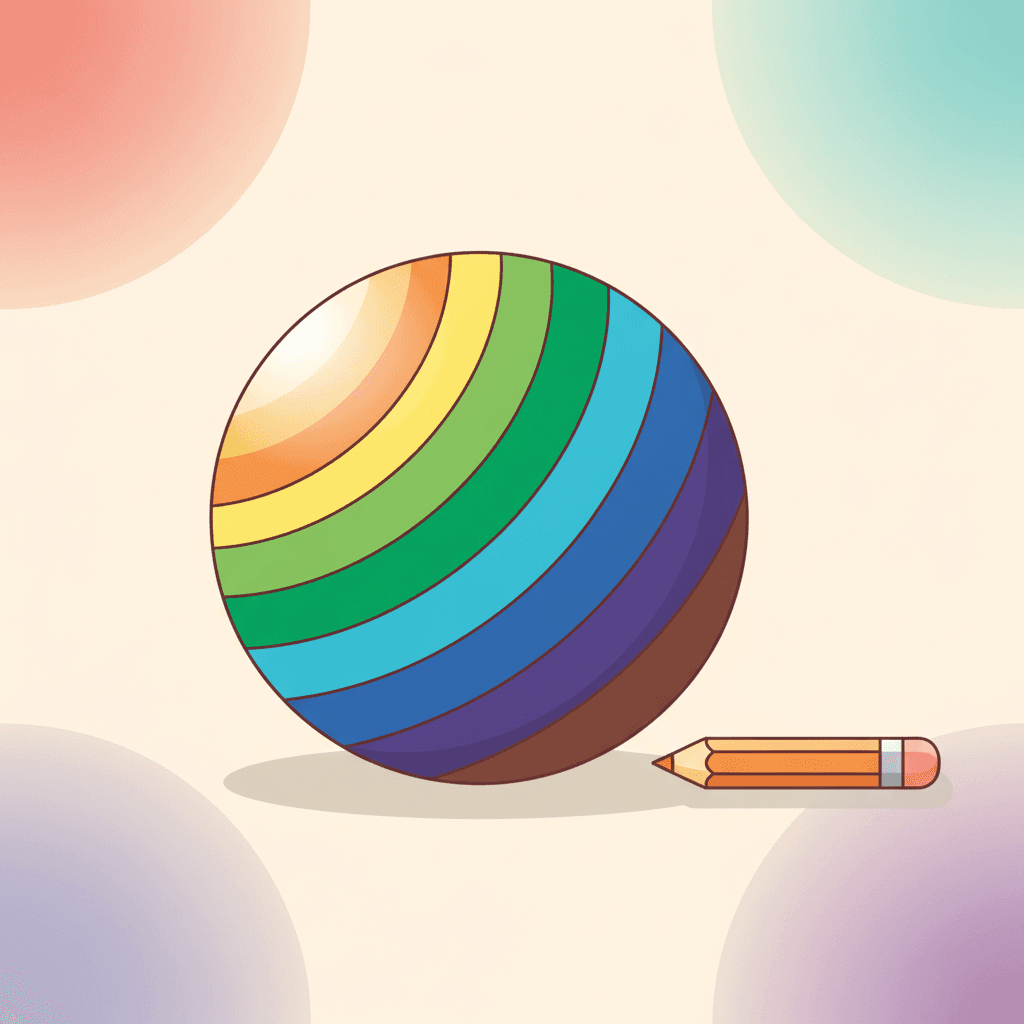
For most coloring pages, you need three values:
Light: leave some paper showing, or use one very light layer. This is where the light hits directly.
Mid: two to four layers. This is most of the surface.
Shadow: more layers, plus a slightly different hue. Shadows aren't just darker versions of the same color. They tend to be cooler (more blue/purple) and less saturated. A blue shadow on a red apple looks way more natural than just dark red.
Pick one light source direction and stick with it for the whole page. Top left is the classic default. Every object's shadow should fall the opposite way. Consistency sells the illusion more than accuracy.
For the full breakdown, see How to shade with colored pencils.
Burnishing: the glossy finish
Burnishing means applying heavy pressure with a pencil (usually white, cream, or a colorless blender) over your finished layers. It smashes the wax into the paper tooth, fills all remaining gaps, and creates a smooth, slightly shiny surface.
It looks great. It also ends your options. Once you burnish, the tooth is gone. You can't add more color on top (well, you can try, but it won't grab).
So burnish last. And only burnish areas you're completely happy with. I burnish highlights and focal areas but leave backgrounds with some texture. The contrast between smooth burnished sections and slightly rough un-burnished areas actually makes the whole piece more interesting.
Wax bloom: that hazy film that appears
If you use wax-based pencils (Prismacolor, most Derwents, Caran d'Ache), you might notice a whitish haze developing over heavily colored areas a few days later. That's wax bloom. The wax binder rises to the surface as it cures.
Don't panic. Wipe it off gently with a soft cloth or tissue. It comes right off. If you're framing the piece, spray it with a workable fixative (Krylon is fine) and the bloom won't come back. Oil-based pencils don't get wax bloom at all, which is one reason some people prefer them.
Coloring on printed pages
Printed coloring pages add a few wrinkles that art paper doesn't have.
The paper is usually thinner. Most home printers use 20 lb copy paper (about 75 GSM), which is fine for colored pencils but shows every heavy stroke on the back. If you're printing your own pages, bumping up to 32 lb paper (about 120 GSM) or light cardstock makes a noticeable difference. Check out Best paper for printing coloring pages for specific recommendations.
You're coloring over printed ink. On inkjet prints, colored pencil wax can sometimes smear the ink if the print is fresh. Let prints sit for at least a few hours. Laser prints don't have this problem since the toner is heat-fused.
The printed outlines can be a guide or a trap. Don't try to color right up to the black line in your first layer. Stop a millimeter short and let later layers creep up to it. You get cleaner edges that way. Trying to be precise with your very first stroke leads to tension in your hand and uneven pressure.
For more on getting the print right in the first place, see How to print coloring pages.
Paper choice for colored pencils
Colored pencils aren't as paper-picky as markers, but paper still matters.
Weight: anything 100 GSM and above works fine. 120 to 160 GSM is the sweet spot. Heavy enough that it doesn't buckle or show through, light enough that your printer can handle it.
Tooth: medium texture grabs pigment well and allows lots of layering. Too smooth and the pencil slides without depositing much color. Too rough and you need a ton of layers to fill the valleys. Strathmore puts it well on their blog: "Select a paper with a 'medium' or 'vellum' surface which will grab the pigment."
Acid-free: matters if you're keeping the artwork. Acid in paper causes yellowing over years. For casual coloring, don't worry about it.
For printed coloring pages specifically, 32 lb premium laser paper is my go-to. Cheap, smooth enough, prints cleanly, takes colored pencil layering well. I keep a ream of it next to the printer at all times.
Common mistakes and how to fix them
"My colors look dull and flat"
You're probably not layering enough. One or two passes at medium pressure gives you a pale, uneven result. Try five to seven light layers instead. Also: add a darker mid-tone sooner than you think you should. Most beginners stay too light for too long and the coloring never develops contrast.
"Everything looks waxy and I can see pencil lines"
Too much pressure too early. You filled the tooth in one or two heavy passes and now the surface is slick. For the current piece, you can try burnishing to lean into the smooth look. For the next one, start at pressure 1 and stay there for the first three layers. It'll feel like nothing is happening. That's correct.
"I can't get dark enough"
Don't press harder. Layer a darker hue. If you're using light blue and want it darker, reach for dark blue or even a navy, not more pressure on the light blue. You can also layer a complementary color very lightly underneath to deepen the value. A tiny bit of purple under dark blue adds richness that more blue alone can't.
"The paper is tearing or pilling"
Two possible causes. Either you're pressing too hard, or the paper is too thin and soft for heavy layering. For serious colored pencil work, use at least 120 GSM paper with some tooth. And never scrub back and forth with heavy pressure. That's how you create paper pills, those little rolled-up bits of fiber that ruin the surface.
"White specks everywhere"
Paper tooth. Totally normal and not a sign of doing anything wrong. More light layers will fill them in. Changing stroke direction between layers helps. Burnishing at the end eliminates whatever's left. If it's driving you crazy, try smoother paper.
"My colors look different than I expected"
Pencil color on the barrel almost never matches the actual mark on paper. Always swatch on scrap paper before committing to a section. I keep a test strip of the same paper I'm coloring on and swatch every color before I use it. Takes ten seconds and has saved me from plenty of "why is this green so yellow" surprises.
A practice drill (15 minutes)
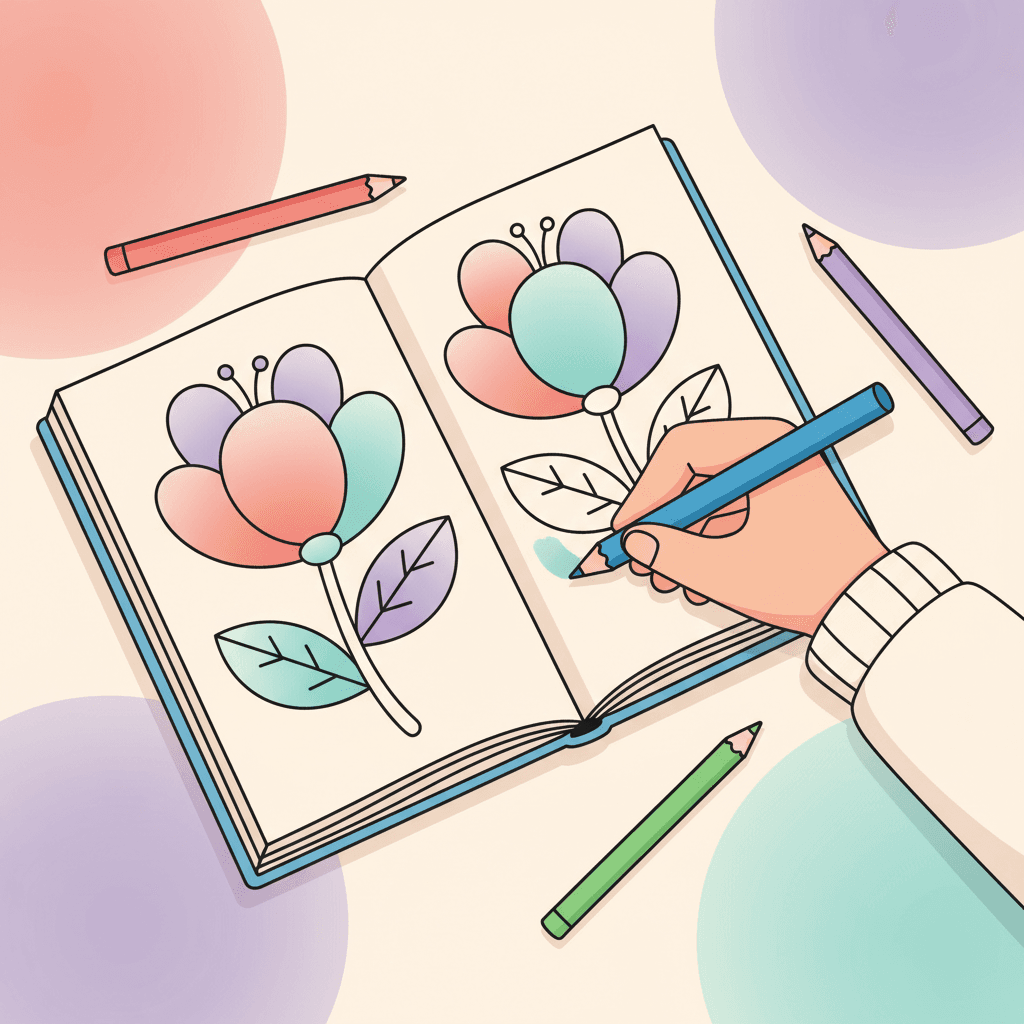
Print out any coloring page from our coloring pages collection. Pick a section with 5 to 8 shapes.
For each shape:
- Choose a light, mid, and dark shade from the same color family.
- Decide where your light source is (pick top-left and stick with it).
- Lay the light shade everywhere at pressure 1. Two passes, different directions.
- Add the mid-tone everywhere except the lightest area. Two passes.
- Add the dark shade only in the shadow area. One pass.
- Go back with the mid-tone to smooth the transitions.
- Optional: burnish the highlight with a white pencil.
If that section looks dimensional when you're done, with a clear light side and shadow side, you've got the fundamental technique down. The rest is just practice and patience.
Time expectations
Nobody talks about this either. So here's a rough guide so you don't feel like you're doing it wrong:
A detailed 4x4 inch section with proper layering takes me about 15 to 25 minutes. A full letter-size coloring page with a detailed design takes 2 to 4 hours across multiple sessions. I rarely finish a page in one sitting. That's normal.
If you're finishing a full page in 20 minutes, you're probably pressing too hard and not layering enough. Slow down. The results will show it.
Watch: colored pencil techniques
More on colored pencil coloring:
Further reading
- Colored pencil techniques: a practical guide (The Virtual Instructor)
- How to color with cheap colored pencils (Sarah Renae Clark)
- 9 common colored pencil mistakes (Luuk Minkman)
- Colored pencil basics for beginners (Carrie L. Lewis)
- Colored Pencil 101 (Strathmore)
FAQ
Do I need expensive colored pencils to get good results?
Honestly, no. I colored with Crayola pencils for months before upgrading and still made pages I was proud of. Good technique matters more. That said, the jump from school-grade to something like Prismacolor Premier is dramatic. Colors go down smoother, layer better, blend easier. You don't need them. But you'll want them.
Wax or oil pencils?
For coloring pages, I'd lean oil-based (Polychromos) because the harder tip handles small detailed sections better and you don't get wax bloom. For big smooth areas, wax-based (Prismacolor) is more satisfying to work with. A lot of people own both and switch depending on the section. Neither is wrong.
Should I outline everything in black first?
Usually no. Black outlines can flatten realistic shading and make the coloring look like a cartoon, which might be what you want, in which case go for it. But if you're going for depth and dimension, skip the outline and let your shading define the edges. The printed lines on the coloring page are already doing the outlining job.
How many pencils do I actually need?
Fewer than you think. A set of 24 to 36 covers most coloring pages. The trick isn't having 150 colors, it's knowing how to layer and blend the ones you have. I reached for probably 15 different pencils on that tiger I mentioned. Out of a 120-set.
Can I use colored pencils over markers?
Yes, and it's a great combo. Lay markers down first for broad color, then add colored pencil on top for texture, detail, and shading. The pencil grabs onto the marker layer nicely. It's actually easier than pencil on bare paper in some ways because the marker fills the tooth first. Check marker bleed-through paper if you're using alcohol markers.
My hand cramps after 20 minutes. Is that normal?
Normal if you're gripping too tight or pressing too hard. Try the overhand grip for fills and consciously relax your hand every few minutes. Take breaks. Coloring shouldn't hurt. If it does, you're fighting the pencil instead of letting it work.
What's the mirror trick?
Carrie L. Lewis recommends holding your work up to a mirror (or flipping it horizontally on your phone camera) to spot value and proportion problems your brain has gotten used to. It works. Things that looked fine suddenly look obviously off. I do this about halfway through a page now.
Do I need a colorless blender pencil?
Nice to have, not essential. It smooths transitions and fills paper tooth, but you can get similar results by burnishing with a white or cream pencil. If you're buying one, the Prismacolor colorless blender and the Lyra Splender are both solid. I own both and honestly can't tell the difference.
Ready to try these techniques? Browse coloring pages and pick one to practice on. Already comfortable with the basics? Go deeper with How to blend colored pencils and How to shade with colored pencils.