Loose pages turn into a messy pile fast. A DIY coloring book fixes that.
You get a clean stack, your kid gets a clear set of choices, and you stop hunting for a page every time someone says, "I am bored."
This guide shows a simple way to make a small booklet that you can refill anytime. You do not need special tools.
Step 1: pick one theme so the book feels intentional
Theme matters more than people expect. A "random mix" book gets ignored because kids cannot predict what is inside.
Pick one theme category:
If your kid is indecisive, pick the theme for them and let them pick the pages.
If you want a faster way to choose:
Step 2: build a page mix that works in real life
If every page is detailed, kids quit. If every page is too easy, kids finish in two minutes.
Use this mix for a 12-page book:
- 5 easy pages for quick wins
- 5 medium pages for steady coloring
- 2 detailed pages for older kids or longer sessions
If you have multiple ages in the same house, lean easier. A kid who finishes can always do a second page.
This guide helps you match pages to age:
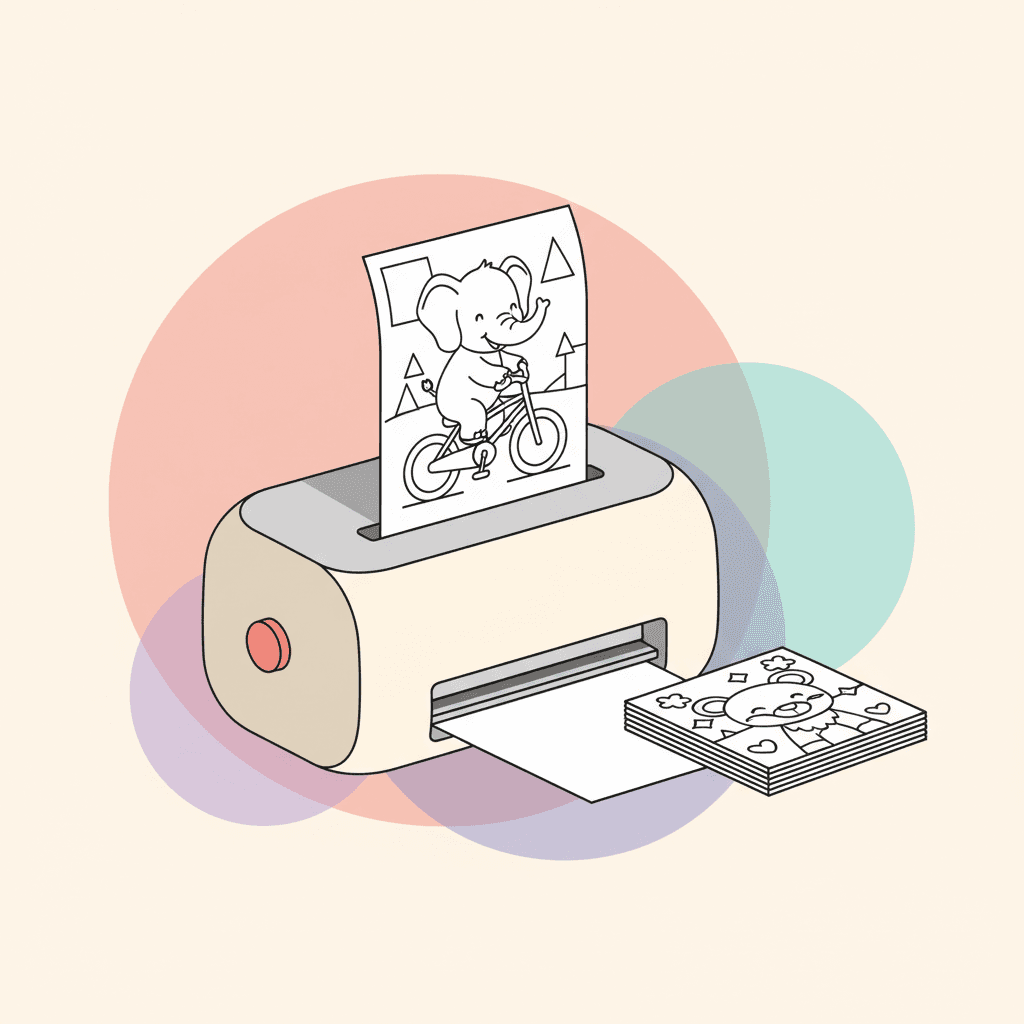
Step 3: print clean pages without reprints
The fastest DIY book is the one you only print once.
Quick printing settings that usually help:
- turn off draft mode
- set scale to 100% if the page is getting cropped
- use normal quality, not fast
If printing always turns into a fight with your printer:
Step 4: bind it in the simplest way you will keep doing
You have three good binding options. Pick the one that matches what you already own.
Option A: staple booklet (fastest)
Works best for 8 to 16 pages.
- stack pages
- fold in half
- staple along the fold
If you do not have a long stapler, staple near the center as best you can. Perfection does not matter.
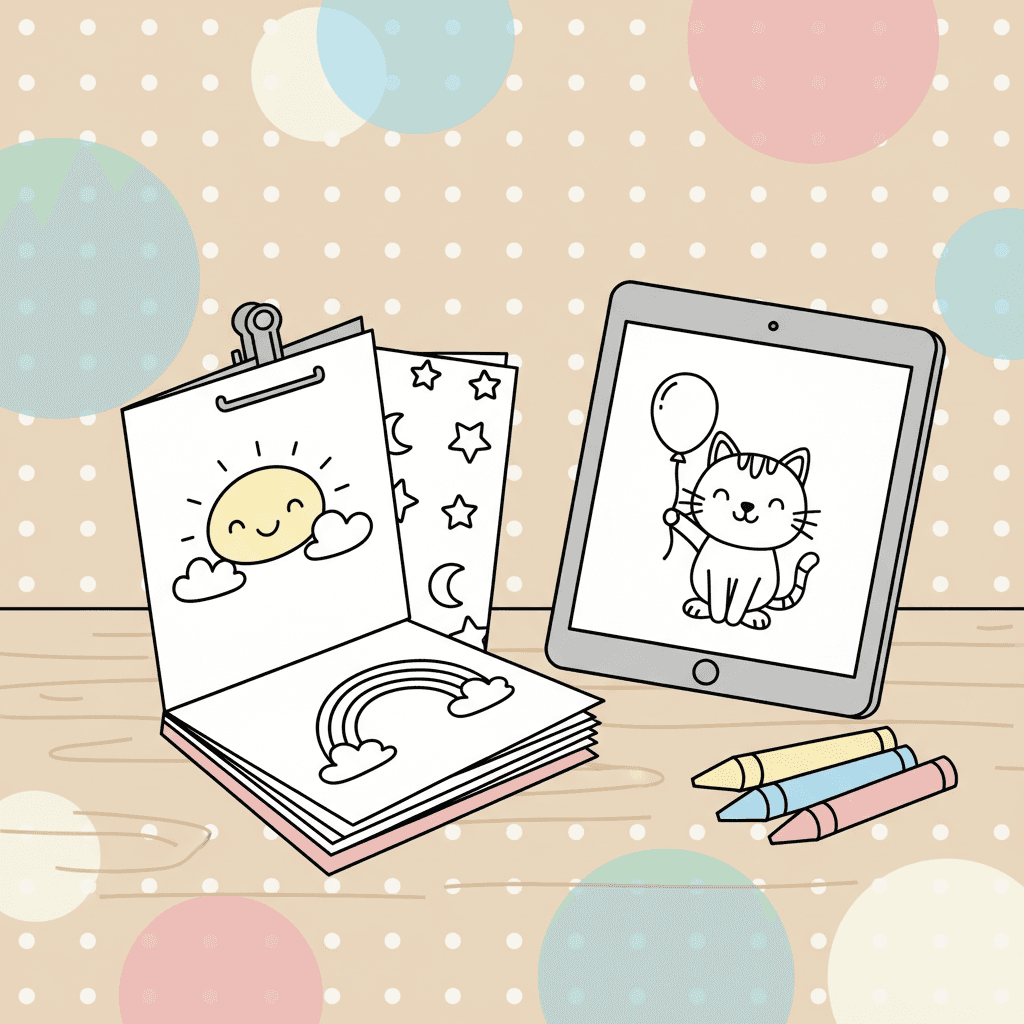
Option B: binder clip + folder (cleanest for refills)
This is the best choice if you want to swap pages weekly.
- stack pages
- clip at the top with a binder clip
- slide the stack into a thin folder
Option C: three-hole punch + binder (best for long-term)
This works if you want one giant ongoing book.
- punch pages
- store in a thin binder with dividers by theme
Step 5: add a cover your kid will recognize
The cover makes the book feel like "theirs." That improves buy-in.
Keep it simple:
- plain paper cover
- write the theme name
- let your kid color the cover once
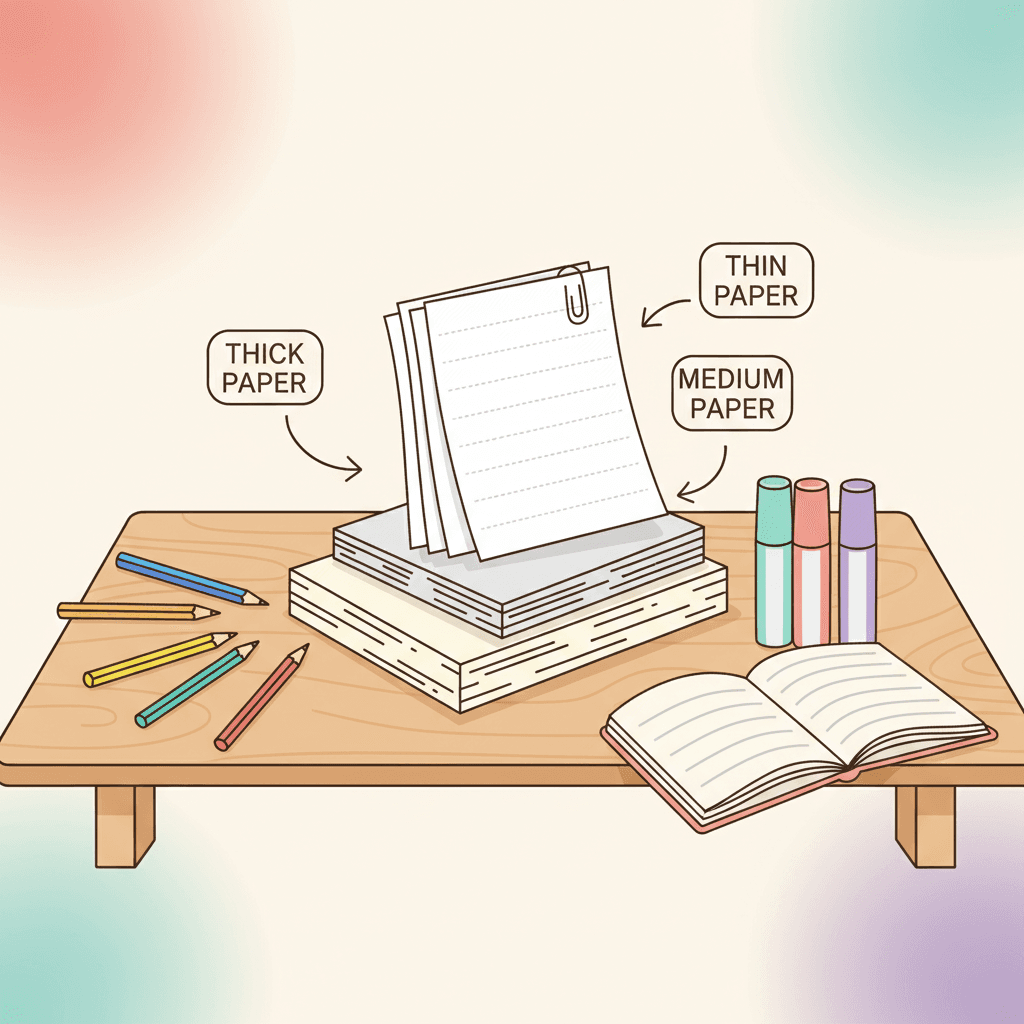
If you want the cover to last, use cardstock or a sheet protector.
Step 6: include a "stop page" to prevent arguments
Stopping is easier when the book has a built-in finish.
Add one page at the end called the stop page. It can be an easy page with big shapes.
Your rule:
- "When you reach the stop page, the session is over."
Kids accept structure better than surprises.
If stopping is a constant fight, this routine helps:
Add a simple index page (so kids can choose faster)
If your kid flips through every page before starting, add an index. It does not need to be fancy.
Make one page at the front with a short list:
- page 1: whale
- page 2: turtle
- page 3: treasure chest
Kids point, you hand them the page, and the session starts. This also helps siblings pick without arguing.
Keep a digital backup for places where printables fail
Printables work well at home. But in a car, restaurant, or small waiting room, digital is cleaner.
Pick any page and start coloring online:
If your kid wants to keep their work, saving makes the digital option feel real.
A weekly refill plan that takes five minutes
The trick to making this work is refilling before you run out.
Try this simple schedule:
- Sunday: print 6 new pages
- add them to the back of the book
- remove any pages that are fully colored and save them in a keepsake folder
You end up with a book that always feels fresh without printing 50 pages at once.
If you want to mix print and digital in the same week:
Make it travel-ready (without adding clutter)
If you want this book to work outside the house, shrink the supply list. Travel success comes from fewer pieces.
Try this minimal travel setup:
- the booklet
- a short crayon pack or one colored pencil
- a binder clip to keep pages from sliding
If you want a full travel setup and a plan for long waits:
Start with one theme and one small book
Do not start with a 60-page mega book. Start with a 10 to 14 page booklet and see what your kid uses.
Pick a theme and build your first mini book today: