By 9am on a rainy Saturday, my kids had already asked "what's next" four times, and I'd already checked my phone twice hunting for an answer that wasn't there. That gap right there, the empty stretch between one activity ending and the next one starting, is the actual problem on a wet day. Everyone starts asking what's next, and whoever's in charge starts scrambling for something that doesn't exist yet.
So here's a short sequence instead of a list of a hundred things you could theoretically do. This low-mess plan alternates a focused activity, movement, food or water, and another focused activity, stretched across roughly two hours. Works for preschool and elementary kids both, and every single block has a no-printer version built in.
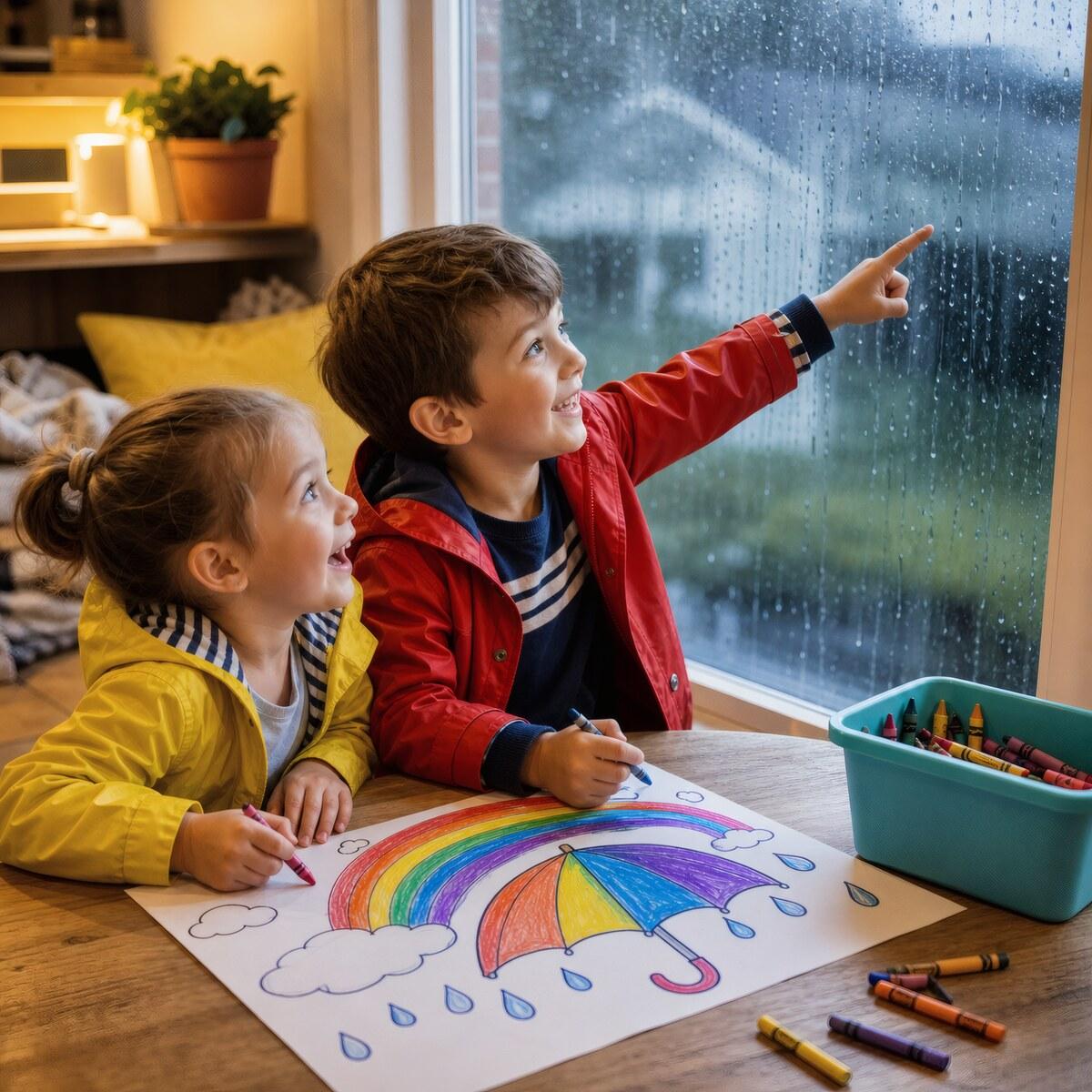
Start in two minutes: paper, crayons, tape, and a snack on the table. Open or print a rainy umbrella coloring page. Set a 15-minute timer. When it rings, five minutes of movement, then pick one activity from the table below.
Picking the right activity for the room
Don't choose by novelty. Choose by the actual energy in the room, how much space you've got, and how much cleanup you can stomach today specifically.
| If the room feels... | Start with... | Setup | Mess | Good for |
|---|---|---|---|---|
| Restless and loud | Indoor movement circuit | 3 minutes | None | Ages 3+ |
| Bored but cooperative | Color the weather | 2 minutes | Low | Ages 3+ |
| Tired or irritable | Audio story illustration | 1 minute | Low | Ages 4+ |
| Competitive | Same page, two moods | 3 minutes | Low | Siblings |
| Full of "I don't know" | Three-color challenge | 1 minute | Low | Ages 3+ |
| Ready for pretend play | Story-page adventure | 2 minutes | Low | Ages 5+ |
| Too small for active play | Seated scavenger hunt | 2 minutes | None | Apartments |
| Near the end of the morning | Gallery and cleanup game | 2 minutes | None | All ages |
If a kid's already dysregulated, start slow. Movement, water, the easiest thing on the whole table. A twelve-step craft is not a rescue plan for anyone.
The low-mess rainy morning schedule
Treat this as a rhythm, not a minute-by-minute demand nobody can actually hit. Shorten each block for preschoolers, and let the creative blocks run long for older kids if they're into it.
| Time | Block | What happens |
|---|---|---|
| 0:00-0:15 | Notice and create | Look outside; color the weather you see |
| 0:15-0:25 | Move | Yoga, animal walks, or a three-station circuit |
| 0:25-0:40 | Refuel | Snack, water, and one small household job |
| 0:40-1:05 | Make | Choose a story page, challenge, or sibling activity |
| 1:05-1:15 | Reset | Bathroom, stretch, and supplies back in the bin |
| 1:15-1:40 | Play | Fort reading, indoor hunt, or audio-story drawing |
| 1:40-2:00 | Finish | Gallery walk, choose a favorite, and clean up |
Kids don't need an adult performing entertainment through every single block. Start the thing, make the next step visible somehow, then step back once they're actually engaged.
The 30-minute emergency version
Got a meeting, a headache, zero appetite for a themed morning? Here's the short one.
- Color one preselected page for 10 minutes.
- Five minutes of movement.
- Water or a snack, five minutes.
- Listen to one short story while drawing, 10 minutes.
That's a complete plan on its own. Maximizing a rainy day isn't actually required of you.
Set up once, use it all season
One portable bin or basket. Fill it with:
- plain paper and 6 to 12 printed coloring pages
- washable crayons or markers
- painter's tape, or any low-tack tape you've got around
- child-safe scissors, for kids who already handle them safely
- A clipboard or hard book works fine as a lap surface too.
- a kitchen timer
- wipes, or just a damp cloth
- one folder labeled "finish later"
Keep everything on one protected surface. Our actual rule, and it sounds fussy until the first marker rolls straight into the couch cushions, is that the bin can travel but loose supplies never migrate off it on their own.
Printing ahead of time? Do the whole stack at once. These printer settings keep lines crisp without burning through ink. Printer's empty, jammed, or just not worth the fight today? Color online instead, or grab plain paper. Nothing here depends on special materials.
Activity 1: color the weather you can actually see
Start at a window, away from any lightning risk. Ask three concrete questions before a single crayon comes out.
- Is the sky light gray, dark gray, blue, or some mix?
- Is the rain falling straight down, sideways, or in tiny scattered drops?
- What's the brightest color outside right now?
Then color a weather page to match whatever they noticed. This has genuinely been the most reliable opener in our house on actual rainy mornings. Kids find it funny that the umbrella on the page and the one by the front door have the exact same job, and the three questions give them a starting point without dictating the whole picture for them.
Try:
- Rainy umbrella for a classic rain scene
- Raincoat and boots, large and easy regions
- Thunder cloud if a storm's worth talking about
- Rainbow and sun for imagining what's next
- Windy kite on a blustery day






For an older kid, add today's date, the actual temperature off a weather app, and one sentence guessing what happens next. Call it an observation and a prediction. Not a forecast, they're not meteorologists yet.
Activity 2: build a three-station movement circuit
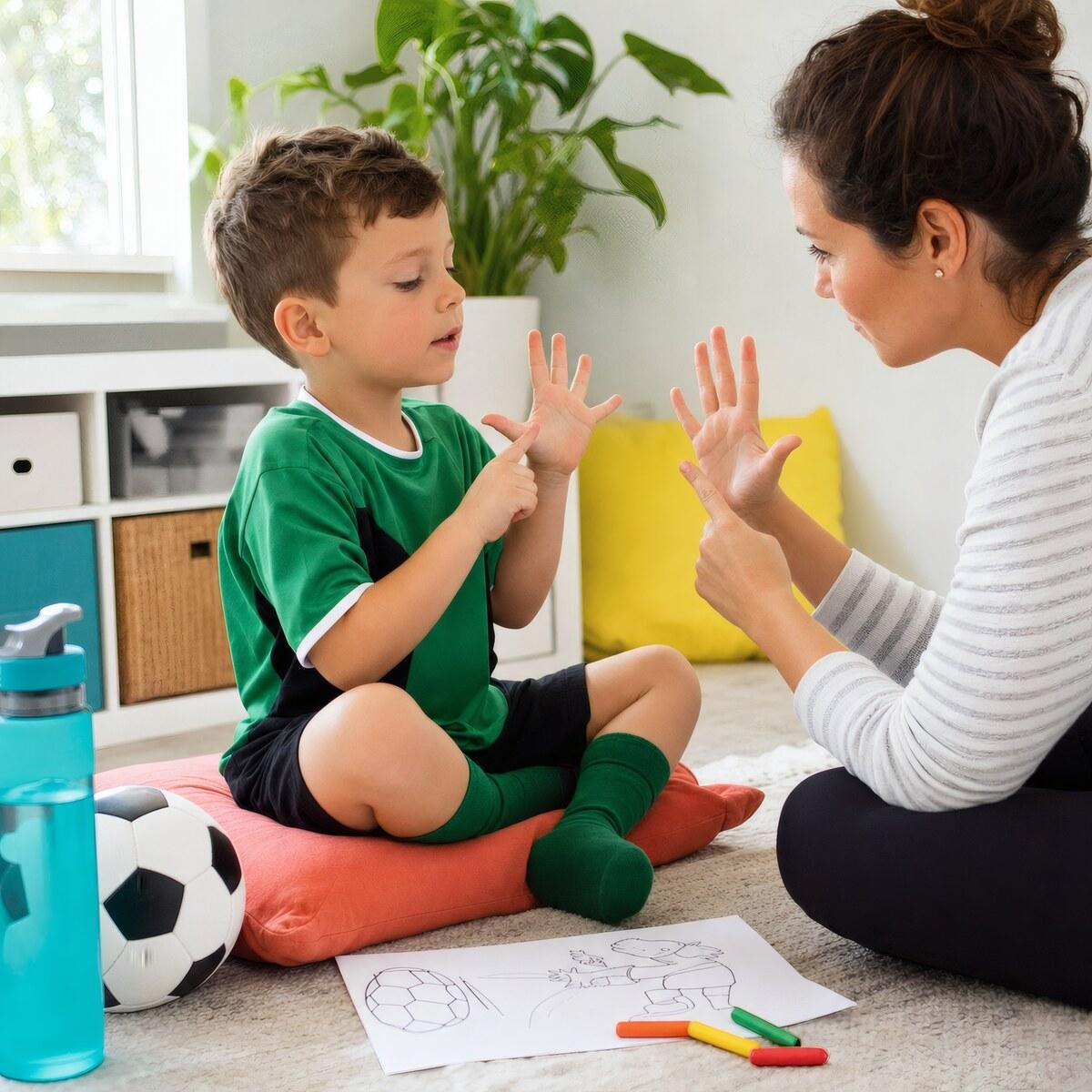
Focused play tends to last longer once kids have actually moved their bodies first. No equipment needed here.
| Station | Action | Preschool version | Older-child version |
|---|---|---|---|
| 1 | Animal walk | Bear-walk to the doorway and back | Complete 3 different animal walks |
| 2 | Balance | Stand on each foot for 5 seconds | Walk heel-to-toe along a tape line |
| 3 | Slow finish | Reach high, then touch knees 5 times | 5 slow squats and 3 deep breaths |
Clear the floor first, obviously. Don't tape a line across a walkway where somebody could trip over it mid-bear-walk, and skip any movement that doesn't suit a kid's actual ability or medical situation. This is about a controlled shift in energy, nothing more competitive than that.
For a follow-along version, this Cosmic Kids rainy-day yoga session gives you a ready-made movement story to work with. Preview it first, and clear enough space around each kid before it starts.
Activity 3: the three-color challenge
Any coloring page, but only three colors allowed. The limit kills that long stall in front of a full crayon box, which honestly eats more time than people expect.
- Ages 3 to 5: an adult picks two colors, the kid picks the third.
- Ages 6 to 8: the kid picks all three, but one has to be unrealistic somehow.
- Ages 9+: tints and patterns can stretch three colors into looking like a lot more.
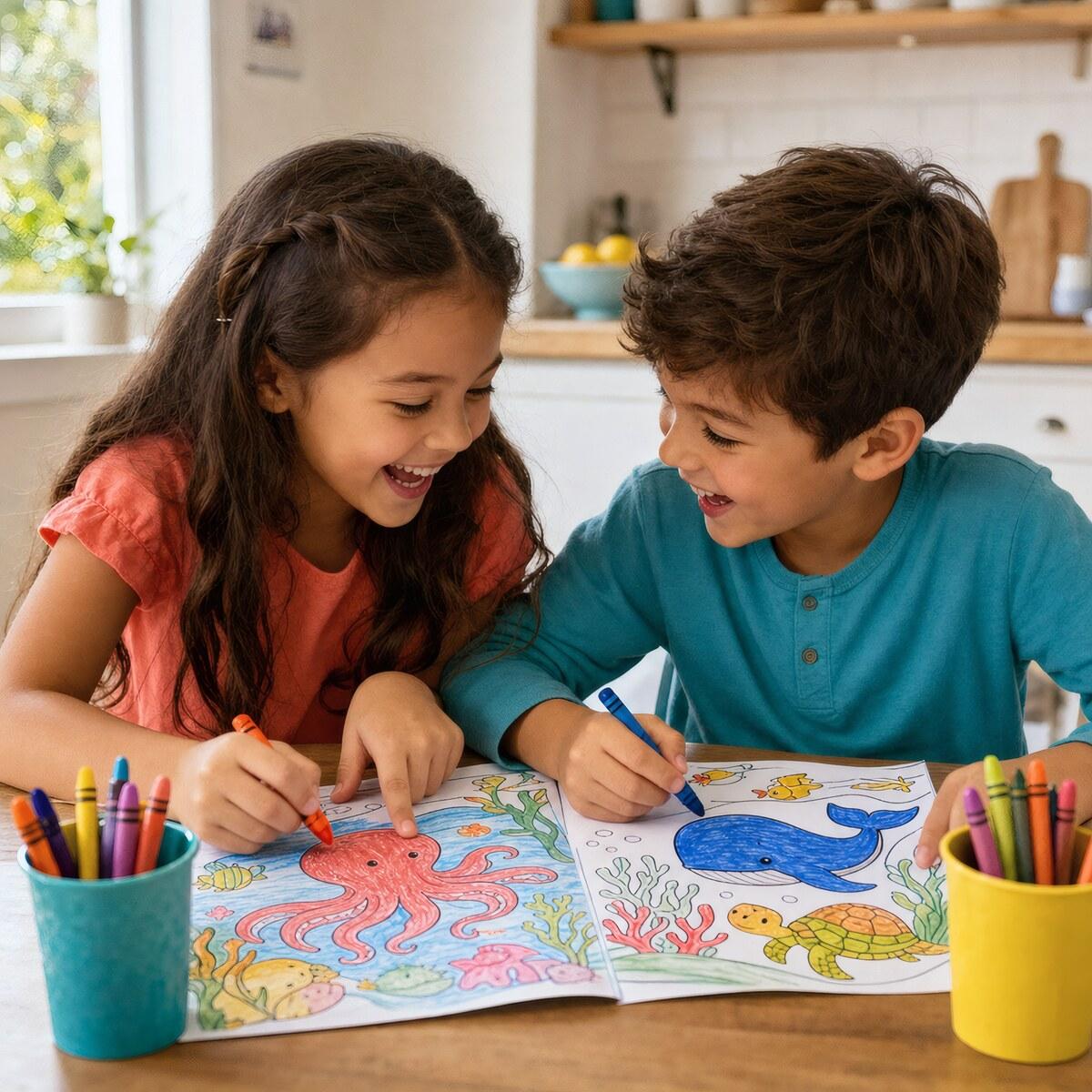
Start with something simple, an animal, ocean, or nature page works. If picking the trio itself becomes the new delay tactic, pick the three colors yourself and skip the debate entirely.
Activity 4: turn one picture into a story
Coloring becomes pretend play the second you treat the picture as the middle of something bigger. Ask just enough to get it moving.
- Who's actually in this picture?
- What happened five minutes before this exact scene?
- What problem are they about to solve?
For early writers, this fill-in works well: "Today, ___ went to ___ because ___. Then ___."
Write down their exact words underneath the page, weird details included. Cleaning the story up into a polished adult sentence just drains all the fun out of it, in my experience anyway. Fantasy pages, the dragon treasure scene, and the pirate treasure map all give you a clear story hook to start from.
With siblings, let one dictate while the other adds a background, then swap jobs on the next page.
Activity 5: color the same page in two moods
Print two copies, or restart the page digitally. Version one's a bright cheerful day. Version two's a wild storm, a nighttime scene, or a silly alternate world entirely.
Pick the contrast before starting.
- sunny, or stormy
- summer, or the dead of winter
- Quiet and loud work too, if the kids want opposites that aren't weather-based.
- realistic, or completely impossible
- morning versus midnight
Works well for siblings specifically because the pages end up equal without being directly comparable. If competition's already running hot, skip voting on a winner entirely. Just have each kid point out one choice that actually changed the mood of the piece.
Activity 6: a seated color scavenger hunt
Fits an apartment, a sick day, or any room where running around just isn't happening today.
- Pick five colors from the crayon box.
- From the couch or table, find one object in the room matching each color.
- Draw the five objects, or just add their colors to one page.
- Older kids can order the objects lightest to darkest once they've found them all.
Keep the search inside approved rooms, and leave anything fragile exactly where it is. The goal's noticing things, not collecting them.
Activity 7: illustrate an audio story
Play an audiobook, a library recording, or tell a story out loud yourself. Instead of drawing the main character exactly as described, ask for something else.
- a place mentioned somewhere in the story
- an object the character actually needs
- what might happen right after the ending
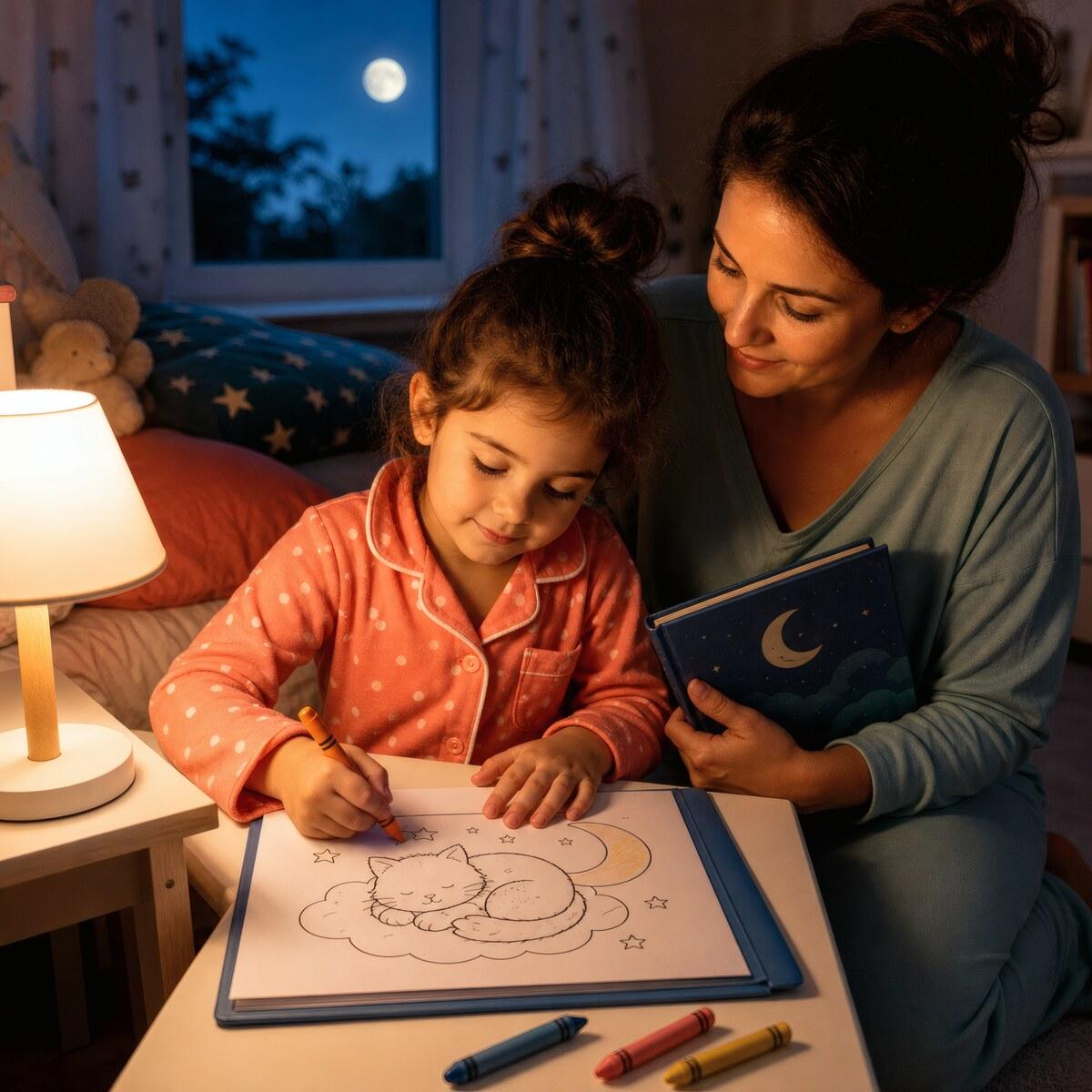
Pairs listening with a quiet hand activity, and honestly gives the adult in the room a window to make lunch or reset the space a little. Stick to audio that's age-appropriate and available legally, through your library or whatever service you already use.
The PBS KIDS rainy-day activity hub is worth a look too, for printable and science and movement ideas when this list needs a different theme entirely.
Activity 8: a reading nook, not an architecture project
A full blanket fort can eat the whole morning and then collapse into an argument anyway. The low-effort version is two cushions, one blanket draped over a table edge or a couple of chair backs, and a basket of books nearby.
Keep airflow and exits clear. Never cover a heater or a lamp with fabric, and don't stack unstable furniture to build height. Set a ten-minute build limit, then use the finished nook for audio-story drawing or just independent reading. The nook's the setup. What happens inside it is the actual activity.
Activity 9: a background-builder challenge
Pick a page with one clear subject. Keep the subject itself simple, and let the background do the heavy lifting.
- a patterned sky
- a room seen through a window
- rain made entirely out of letters or numbers
- one color family, top to bottom
- hidden shapes for somebody else to go find
If a kid stalls out, give one constraint instead of five suggestions. "Use only stripes." Or "hide six circles somewhere." That alone can stretch a simple page way further without a single new material involved.
Activity 10: a structured sibling swap
One shared page can turn into a fight fast unless ownership's crystal clear from the start. Use these rules.
- Divide the page into sections before anyone touches a crayon.
- Each kid colors only their section, five minutes.
- Swap sections once, and only once.
- No crossing out or "fixing" someone else's part, ever.
- Each kid signs the part they actually finished.
With a real age gap, give the younger one large background regions and the older one the fiddly details, but let them pick between the two roles rather than assigning it outright. For more ways to sidestep competition entirely, our sibling bonding activities guide goes deeper.
Activity 11: a tiny indoor gallery
Tape three to six finished pages up at kid height, using low-tack tape that won't wreck your wall finish. Then run a two-minute gallery walk.
Ask everyone to name one color choice they noticed, one funny or surprising detail somewhere on a page, and one they'd like to keep working on later. Don't rank anything. If spoken comments start turning into criticism, switch to a silent gallery instead, a removable sticker placed next to a favorite detail says plenty without anyone having to talk.
Activity 12: let chance pick the last page
When browsing itself becomes the whole activity, that's a sign. Open a random coloring page, allow one reroll, and just start. We treat the one-reroll rule as part of the actual game rather than something to renegotiate every single time, which only works if the limit stays exactly the same each time.
If even a random pick feels like too much decision-making for the day, go back to the rainy umbrella page. Repeating it isn't a failure of imagination. Plenty of preschoolers genuinely like knowing exactly what's coming.
Adjusting the plan by age
Ages 2 to 3. Large paper, chunky washable crayons, direct supervision, 5- to 8-minute blocks. Skip tiny supplies and anything that might end up in a mouth. Adults handle scissors and tape. Expect scribbling. The scribbling is the activity, not a step toward one.
Ages 4 to 5. Two choices at a time, 10- to 15-minute blocks, sitting alternated with movement. Let the kid flip a visual schedule card themselves after each block wraps up.
Ages 6 to 8. Add story writing, design constraints, some independent setup, and 20- to 30-minute creative blocks. Let them pick the order of two parent-approved activities.
Ages 9+. Invite them to design a page for somebody else, build a comic sequence, put together a playlist for the gallery, or lead a movement block themselves. Older kids generally need more say in things, not a longer list of activities aimed at younger kids.
Making it work with siblings in the mix
The setup that actually holds is equal access, separate ownership, alternating choices.
- one supply set per kid, when that's realistic
- different pages, or clearly divided sections on one
- One kid picks the first activity, the other picks the second one.
- no judging or voting, unless everyone genuinely wants that part
- a visible timer for turns on any shared device
If a fight starts, separate the materials first, before you even try to sort out who's right. A five-minute reset on two different surfaces usually beats a courtroom debate over one blue crayon, every time.
When the plan just stops working
| Problem | Immediate move | Next-time prevention |
|---|---|---|
| Children reject every choice | Offer two options, not the whole list | Preselect the first activity |
| Energy keeps climbing | Water, then slow movement | Alternate every seated block with movement |
| One child dominates | Separate pages and supplies | Assign equal roles before starting |
| A child wants perfection | Use a familiar page or digital undo | Pick simpler shapes and a stop point |
| Cleanup causes a meltdown | Put one item away at a time to a song | Keep all supplies in one bin |
| Adult runs out of energy | Use the 30-minute emergency plan | Prepare a rainy-day folder once |
| The storm is frightening | Pause the activity and co-regulate | Use factual, age-appropriate weather language |
When the room needs less input rather than more, switch over to the 10-minute quiet-time coloring routine. And if the rain drags into the evening, don't just keep stretching activities out. Move into the preschool bedtime routine instead.
Thunderstorm safety, before anything else
If you can hear thunder, stay inside a proper building or a hard-topped vehicle, full stop. The National Weather Service advises staying away from windows and doors, avoiding plumbing and corded electrical equipment, and waiting at least 30 minutes after the last thunder before anyone heads back outside. The full indoor lightning guidance covers the details better than we can here.
During a storm:
- move activities away from windows
- skip sinks, baths, or corded electrical equipment while lightning's active
- charge devices ahead of the storm if you can manage it
- use calm, factual language instead of promises that nothing bad can happen
- follow local alerts and emergency instructions as they come in
Coloring a thunder cloud might help some kids talk through what they're hearing outside. It's not a safety plan on its own though, and was never meant to replace comfort or an actual plan.
Rainy-day setup checklist
- Check local weather alerts
- Pick the first two activities
- Put paper, crayons, tape, and timer in one bin
- Print 6 to 12 pages or open one digital page
- Protect one work surface
- Clear a small movement area
- Prepare water and a simple snack
- Put the finish-later folder nearby
- Show children the order of the first three blocks
- End with a gallery and five-minute cleanup
Frequently asked questions
What can kids do at home on a rainy day without any supplies?
Animal walks, balance challenges, a seated color hunt, storytelling, a library audiobook, charades, or drawing with whatever pencil and scrap paper you've got lying around. A special craft kit was never actually required for any of this.
How do I keep kids busy all day indoors, realistically?
Don't try for one all-day activity, that's setting yourself up. Repeat a pattern instead: focused play, movement, food or water, independent play, cleanup. Leave real unstructured gaps between the planned blocks too. Boredom produces its own play pretty often, if an adult doesn't rush in and fill the silence immediately.
What are low-mess rainy day activities for preschoolers specifically?
Coloring, reusable sticker scenes, picture books, audio-story drawing, a seated scavenger hunt, painter's-tape balance lines, simple yoga. All of it needs minimal cleanup. Just supervise materials according to whatever age you're actually working with.
How long should each activity run?
Five to fifteen minutes might be plenty for a preschooler. Early elementary kids can often stick with a creative task for 20 to 30 minutes if it's landing well. End it while things are still going reasonably okay, rather than forcing a fixed duration nobody asked for.
What if we don't even have a printer?
Color online, draw a simple umbrella or cloud freehand on plain paper, trace a household object, or skip coloring altogether and lean on the movement and story blocks instead. The schedule matters more than the printable ever does.
Are any of these okay to do during an actual thunderstorm?
Only if they follow official indoor lightning guidance. Stay away from windows, plumbing, corded electrical equipment, and concrete surfaces that could conduct electricity. Follow local warnings, and wait at least 30 minutes after the last thunder before anyone goes back outside.